โญ Your Trusted Astronomy Resource

Explore the Night Sky with Confidence

Whether you’re a curious beginner or a seasoned stargazer, The Sky Explorer brings you expert astronomy equipment guides, in-depth telescope reviews, astrophotography tips, and stargazing inspiration โ€” all backed by genuine passion for the cosmos.

๐Ÿ”ญ

Discover the Universe

โœฆ
โœง
โ˜…
โœฆ
โœง
โ˜…

What We Cover

From beginner telescopes to advanced astrophotography โ€” your complete astronomy resource.

Telescopes

From beginner refractors to advanced reflectors โ€” expert guides to find your perfect instrument.

Astrophotography

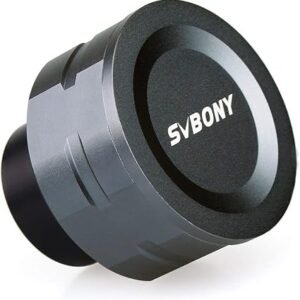
Cameras, mounts, and accessories to capture breathtaking images of the cosmos.

Stargazing

Planets, meteor showers, moon phases, and dark sky tips for every level of observer.

Accessories

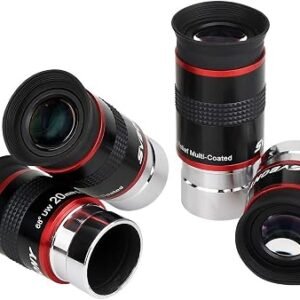
Eyepieces, filters, tripods, power packs โ€” the gear that elevates every session.

Books & Learning

Astronomy books, sky charts, apps, and software to deepen your knowledge of the cosmos.

Sky Events

Never miss a meteor shower, lunar eclipse, or rare planetary conjunction โ€” stay sky-aware.

Featured Buying Guides

Handpicked recommendations researched for every budget and experience level.

Top Pick

Best Beginner Telescopes of 2025

Start your astronomy journey right with our top-rated beginner scopes, tested and reviewed for ease of use and sky performance.

Read Guide โ†’
Budget Guide

Best Telescopes Under $500

Serious performance without breaking the bank. These mid-range scopes deliver stunning planetary and deep-sky views.

Read Guide โ†’
Editors' Choice

Best Binoculars for Stargazing

Binoculars are the most underrated astronomy tool. Our top picks for wide-field stargazing and Milky Way sweeping.

Read Guide โ†’
Tech Pick

Best Smart Telescopes 2025

WiFi-connected, app-controlled, and fully motorized โ€” smart scopes are changing how we observe the sky.

Read Guide โ†’

Astronomy Made Accessible

The night sky has fascinated humanity for millennia โ€” and today, powerful telescopes, smart devices, and an ever-growing body of knowledge have made it more accessible than ever. Whether you're stepping outside with a pair of binoculars for the first time or setting up a tracked astrophotography rig for a deep-sky imaging session, The Sky Explorer is your trusted guide through every step of the journey.

Why Choosing the Right Telescope Matters

Buying a telescope is one of the most exciting โ€” and most misunderstood โ€” decisions in astronomy. Walk into any big-box store and you'll find cheap, wobbly scopes with deceptive marketing claims about magnification. But more power doesn't mean better views. The most important factors โ€” aperture, optical quality, and mount stability โ€” are rarely discussed in mainstream retail.

At The Sky Explorer, we dig into the specifications that actually matter. Our buying guides cover aperture vs portability trade-offs, equatorial vs altazimuth mounts, Dobsonian reflectors vs refractors, and GoTo tracking systems โ€” explained in plain language so you can make a decision with full confidence. We test and research equipment at multiple price points so our recommendations work whether your budget is $100 or $2,000.

Astrophotography โ€” From Smartphone Snaps to DSLR Deep Sky

Capturing the cosmos is one of the most rewarding challenges in amateur astronomy. Astrophotography has evolved dramatically โ€” today's smartphone cameras can photograph the Moon with impressive detail, while dedicated astronomy cameras paired with computerized tracking mounts can reveal galaxies and nebulae invisible to the naked eye.

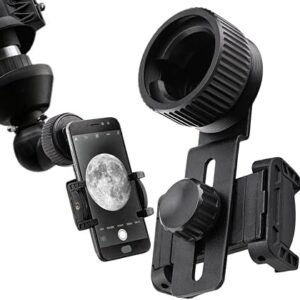
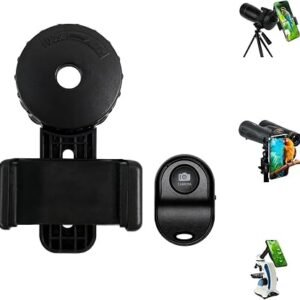
Our astrophotography guides walk you through every level: attaching your phone to a telescope, choosing a DSLR or mirrorless camera, understanding exposure times, polar alignment for tracked shots, and post-processing with free tools like DeepSkyStacker and GIMP. We cover the full imaging workflow so your photos improve session after session.

Stargazing for All Levels

You don't need expensive equipment to fall in love with the night sky. Some of the most memorable astronomical experiences happen with nothing more than your eyes and a dark hillside. Our stargazing guides help you identify constellations, track planets through their opposition cycles, predict and observe meteor showers, and understand the Moon's phases and features.

We also help you find dark sky sites near you, understand light pollution maps, and get the most from Bortle Scale conditions in your area. Because great stargazing is about the connection between you and the universe โ€” and that can happen anywhere.

Our Commitment to Honest, Expert Reviews

Every guide and review on The Sky Explorer is built on thorough research, hands-on testing where possible, and a commitment to accuracy above all else. We are transparent about our affiliate relationships โ€” some links on this site earn us a small commission at no extra cost to you. This income keeps the site running and allows us to continue creating free, high-quality astronomy content.

We never recommend a product we wouldn't use ourselves. Our editorial process prioritizes value for money, build quality, optical performance, and long-term usability โ€” not commission rates. You can read our full Editorial Policy and Affiliate Disclosure at any time.

50+
Telescope Reviews & Guides
200+
Astronomy Articles
10+
Years of Stargazing Expertise
1000s
Astronomers Helped

Frequently Asked Questions

Everything you need to know about telescopes, stargazing, and astronomy equipment.

For beginners, we recommend a 70โ€“80mm refractor or a 4.5″ Dobsonian reflector. These offer excellent views of the Moon, planets, and bright deep-sky objects without being overwhelming to set up. Our Best Beginner Telescope Guide covers our top picks for every budget.
A budget of $150โ€“$400 is ideal for a first serious telescope. Below $100, optical and mechanical quality tends to suffer significantly. Above $400, you get into territory where a beginner may not fully use the telescope’s capabilities. Our Best Telescopes Under $500 guide covers this range thoroughly.
With a good beginner telescope you can see: crisp views of the Moon’s craters and mountains, Jupiter’s cloud bands and four Galilean moons, Saturn’s rings, Mars’s polar ice caps (during opposition), thousands of double stars, the Orion Nebula, and globular clusters like M13. A wider aperture opens up galaxies, planetary nebulae, and fainter deep-sky objects.
A Dobsonian is a large-aperture reflector telescope mounted on a simple altazimuth (up/down, left/right) base. They offer exceptional bang-for-buck for visual observing โ€” a 8″ or 10″ Dobsonian costs a fraction of what equivalent aperture costs in other mount types. The trade-off: they’re bulky, don’t track objects automatically, and aren’t ideal for astrophotography.
Astrophotography is photographing celestial objects โ€” from the Moon and planets to distant galaxies and nebulae. Basic astrophotography of the Moon can be done with just a smartphone held to the eyepiece. For deep-sky imaging, you’ll typically need: a DSLR or dedicated astronomy camera, a telescope or telephoto lens, and a motorized tracking mount to compensate for Earth’s rotation during long exposures.
Smart telescopes like the Unistellar eVscope 2 and Vaonis Stellina are app-controlled, self-aligning, and can automatically find and photograph deep-sky objects. They’re fantastic for people with limited time or no interest in manual setup. However, they’re expensive ($1,000โ€“$4,000+) and offer less hands-on learning than a traditional telescope. For pure visual observing at lower cost, a classic scope often wins.
The best stargazing happens: (1) On moonless nights โ€” new moon phase is ideal; (2) Away from city lights โ€” rural areas with Bortle Scale 4 or lower are best; (3) When the sky is stable and clear โ€” low humidity and calm air improves image quality (called ‘seeing’); (4) Late at night, when most light pollution sources are reduced and the atmosphere has cooled. Apps like Stellarium, SkySafari, and Light Pollution Map are invaluable planning tools.
The most impactful accessories are: quality eyepieces (your telescope’s stock eyepiece is usually mediocre), a Barlow lens (doubles your eyepiece magnification), a UHC or OIII filter for nebula viewing, a good star atlas or sky app, a red flashlight to preserve night vision, and a sturdy table or Telrad finder. Don’t rush to buy everything at once โ€” start with a quality eyepiece set and go from there.
The Sky Explorer participates in affiliate programs including Amazon Associates and other retailer programs. This means if you click a link on our site and make a purchase, we may earn a small commission at no extra cost to you. This income helps us maintain the site and produce free content. However, our recommendations are based solely on product quality, value, and performance โ€” not commission rates. See our full Affiliate Disclosure.
We review and update our buying guides at least annually, and more frequently when major new products launch. Gear recommendations from 2022 are often outdated as optics and mount technology evolves rapidly. Every article displays a ‘Last Updated’ date so you always know how fresh the information is. We also publish regular blog posts covering sky events, new equipment releases, and observing tips.
๐Ÿ“ก

Stay Sky-Aware

Get telescope reviews, stargazing tips, sky event alerts, and exclusive guides delivered to your inbox. No spam โ€” just astronomy.

Join astronomers who never miss a sky event. Unsubscribe anytime.

๐ŸŒŒ

About The Sky Explorer

Passionate Astronomers Helping You Look Up

The Sky Explorer was founded out of a deep love for the night sky and frustration with the low-quality, commission-driven advice that dominates the web. We believe every person deserves honest, expert guidance to find the right equipment and experience the wonder of the cosmos firsthand.

Our content is written by astronomy enthusiasts with years of hands-on experience โ€” not just writers copy-pasting spec sheets. We test gear, we observe the sky, and we care about helping you do the same.

Our Story โ†’